Why Architecture Is the Difference Between a Nice Room and a Timeless One
Ever find yourself saying, “They don’t make them like they used to,” or wondering why a piece of furniture looked so compelling in a showroom, yet fell flat once it arrived in your home? The missing ingredient is rarely the furniture itself. More often, it’s the architecture surrounding it.
The rooms we admire most — whether in a beautifully styled catalog or a thoughtfully designed home — are anchored by strong architectural bones. Millwork, proportion, layered textures, and considered window treatments create the backdrop that allows everything else to shine. Without them, even the most beautiful furnishings can feel underwhelming or out of place.
This is often where hesitation creeps in. Clients worry that millwork feels unnecessary, or that window treatments conjure memories of heavy, outdated drapery. But the truth is, today’s architectural details aren’t about ornament for ornament’s sake. They’re about creating rooms that feel intentional, elevated, and deeply personal — spaces that support how you live now, and how you want your home to feel for years to come.
Working with a skilled designer makes a meaningful difference. Good designers are trained to think holistically — considering scale, proportion, materials, and architectural language rather than trends alone. Design genres are understood as a framework, not a formula, allowing new elements to honor a home’s original character instead of imitating what’s been done elsewhere. When architectural details are designed well, they don’t feel added on. They feel inherent.

Custom Millwork and Built-Ins
Custom millwork adds structure, rhythm, and permanence to a home. Historically, these elements originated as a way to provide structural stability to walls and reinforce a home’s framework before becoming the refined architectural details we recognize today. Built-in cabinetry, shelving, and paneling are designed specifically for your space — its proportions, its flow, and the way you live within it.
In living rooms, built-ins create grounding focal points and reduce visual clutter. In kitchens, custom cabinetry improves both function and clarity, allowing materials and craftsmanship to quietly elevate the room. In offices or studies, integrated storage and work surfaces support focus and ease.
When millwork is thoughtfully designed, it enhances the architecture rather than competing with it — creating spaces that feel resolved and intentional.
Window Treatments as Architectural Layers
Windows are architectural features, and historically, the way they were dressed served very practical purposes — controlling light, providing privacy, and insulating the home from heat and cold. Those functions remain essential today, but when thoughtfully designed, window treatments also bring balance, softness, and scale to a room.
Layered shades and drapery create depth and flexibility. Shutters offer timeless appeal and refined light control. Motorized systems add ease, particularly in large or light-filled spaces. When planned alongside the architecture, window treatments feel integrated rather than applied — an essential layer that supports both comfort and design.
Walls, Ceilings, and the Power of Finish
Walls were originally about enclosure and protection, but finishes have long been used to strengthen surfaces and create longevity. Plaster, limewash, and layered coatings were valued for their durability well before they were appreciated for their beauty.
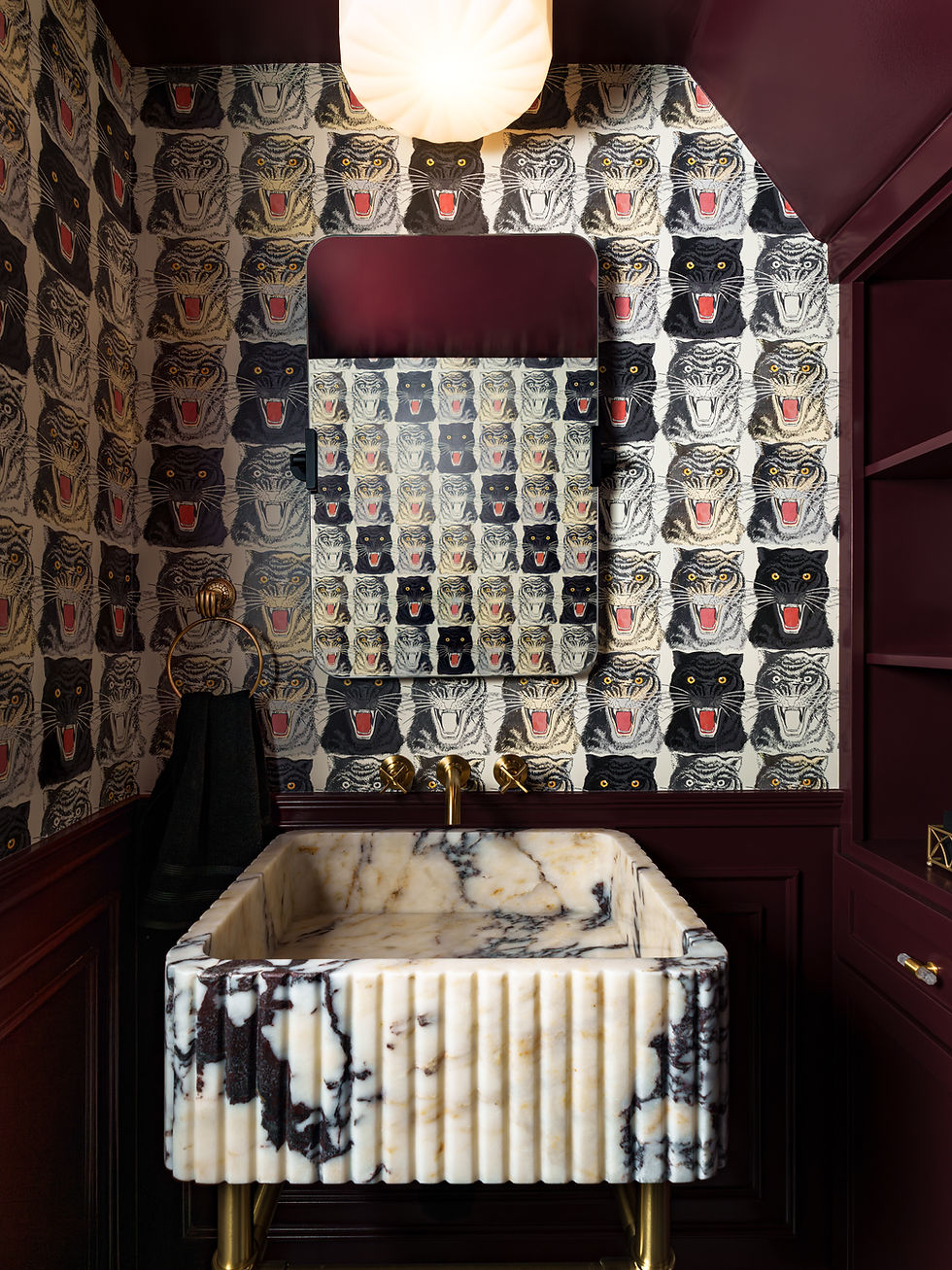
Today, finishes shape atmosphere as much as appearance. Color-drenched rooms, textured walls, and even treated ceilings add depth and cohesion, while high-quality paint and thoughtful color placement can completely shift how a space feels. When chosen with intention, wall and ceiling finishes enhance the architecture rather than overpower it — adding warmth, nuance, and quiet character.
Choosing What’s Right for Your Home
Not every space needs every upgrade. The most successful designs are selective and intentional.
Consider your home’s architectural language and lean into it. Focus on rooms where you spend the most time. Invest in elements that solve real problems — storage, light control, flow — while also elevating the experience of the space. And most importantly, work with professionals who understand how to balance restraint with impact, and vision with execution.
Design That Lives Well
Architectural details aren’t about excess or trend-driven statements. They’re about creating homes that feel calm, cohesive, and deeply personal. When scale, proportion, and materials are considered holistically, a home doesn’t just look better — it lives better.
Luxury is rarely loud. It’s found in the quiet confidence of a home that feels considered at every level — where architecture, materials, and pro
portions work together seamlessly. When design decisions are rooted in intention rather than imitation, a space doesn’t just reflect good taste; it reflects the people who live within it. That’s the kind of design that lasts.


Comments